
How to Properly Maintain a Whiskey Cork
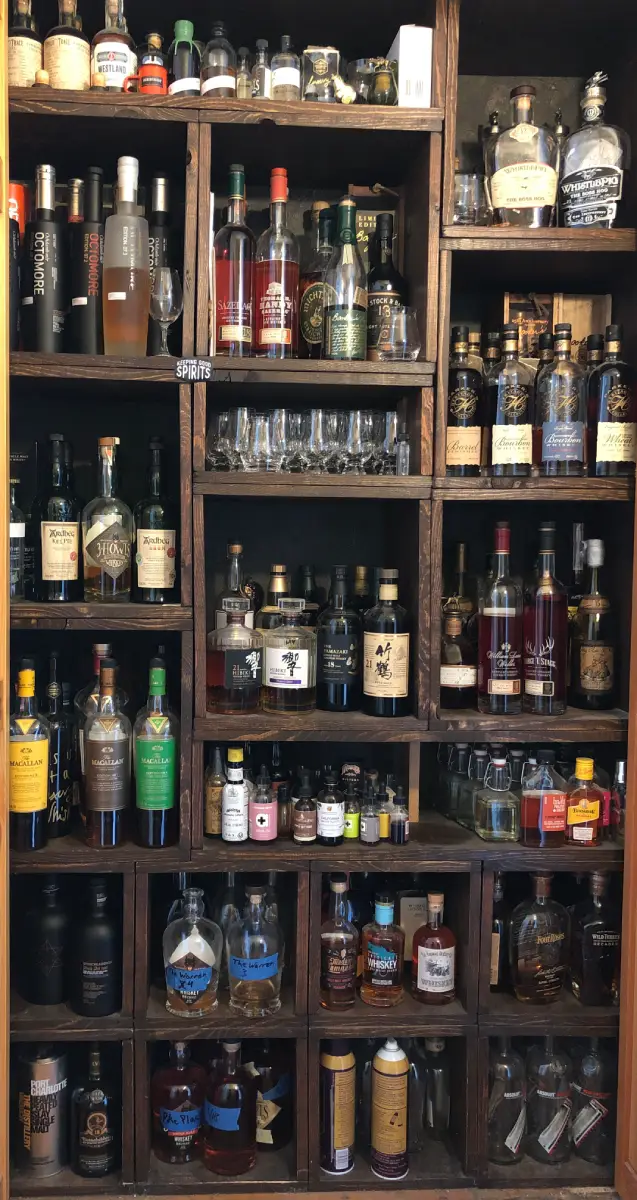
Your Bottle Collection
If you’re a whiskey lover, you know that what’s in the bottle matters—but so does what’s sealing it. That humble little cork isn’t just there for aesthetics; it’s a crucial barrier protecting your prized spirit from oxygen and contaminants. Over time, though, improper care can cause corks to dry out, crack, or even crumble, potentially compromising your whiskey experience.
Here’s your guide to properly maintaining a whiskey cork.
Why Cork Maintenance Matters
Cork is a natural material—porous, flexible, and prone to drying when not cared for. If your whiskey cork dries out or shrinks, it can let air seep into the bottle. This oxidizes the whiskey, dulls its rich flavors, and shortens its shelf life. Worse still, a brittle cork might break apart during opening, leaving bits floating in your glass.
Proper maintenance helps prevent these issues and keeps your whiskey tasting smooth, bold, and unspoiled.

Tips to Keep Your Whiskey Cork in Top Shape
Store Your Bottle Upright
Unlike wine, which benefits from horizontal storage to keep corks moist, whiskey’s higher alcohol content can damage corks if it stays in contact too long. Always store whiskey bottles upright to avoid deterioration.
Avoid Extreme Temperatures
Cork expands and contracts with temperature fluctuations. Store whiskey in a cool, stable environment—ideally between 55–70°F (13–21°C)—and keep it away from direct sunlight or heat sources like stoves or radiators.
Open and Close Carefully
When opening, twist gently instead of yanking straight up—this reduces strain on the cork. When resealing, press down firmly but avoid forcing the cork, which could cause cracks.
Occasionally Wet the Cork
While upright storage is best, a little contact with whiskey every few months can help prevent the cork from drying out. Tip the bottle on it’s side for a few minutes a few times a year so the cork is briefly moistened, then return it upright. This keeps the cork supple without risking prolonged exposure to high-proof spirits.
Keep It Humid (But Not Too Humid)
Excessively dry air can shrink corks, so if you live in an arid climate, consider storing whiskey in a room with moderate humidity. A humidor-like environment isn’t necessary, but try to avoid overly dry storage spaces.
What If Your Cork Breaks?
Don’t panic. If a cork crumbles or splits:
Preserve the Experience
A well-maintained cork is more than a simple stopper—it’s the gatekeeper of your whiskey’s flavor, aroma, and character. With just a little care, you can ensure every dram you pour remains as the distiller intended: rich, complex, and deeply satisfying.
- Use a fine strainer or cheesecloth to filter out bits when pouring.
- Transfer the whiskey to a decanter or another airtight bottle to avoid further exposure.
- Replace with a synthetic stopper or a reusable whiskey cork to keep your whiskey fresh.
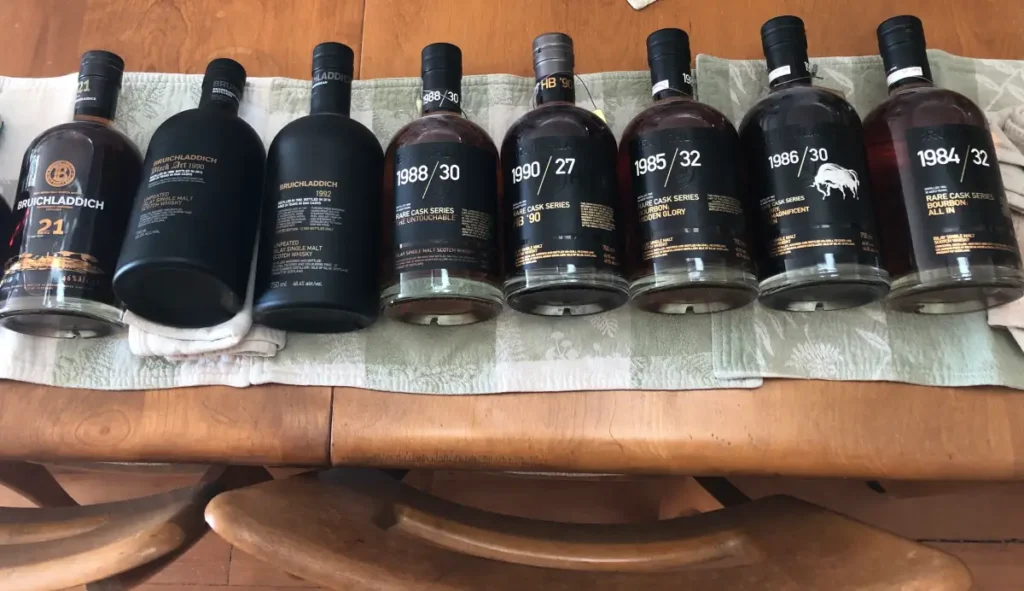
Tip the whiskey bottle on it’s side for a few minutes a few times a year so the cork is briefly moistened, then return it upright.